
Sensu Lato - Dr. Gilberto da Silva Francisco
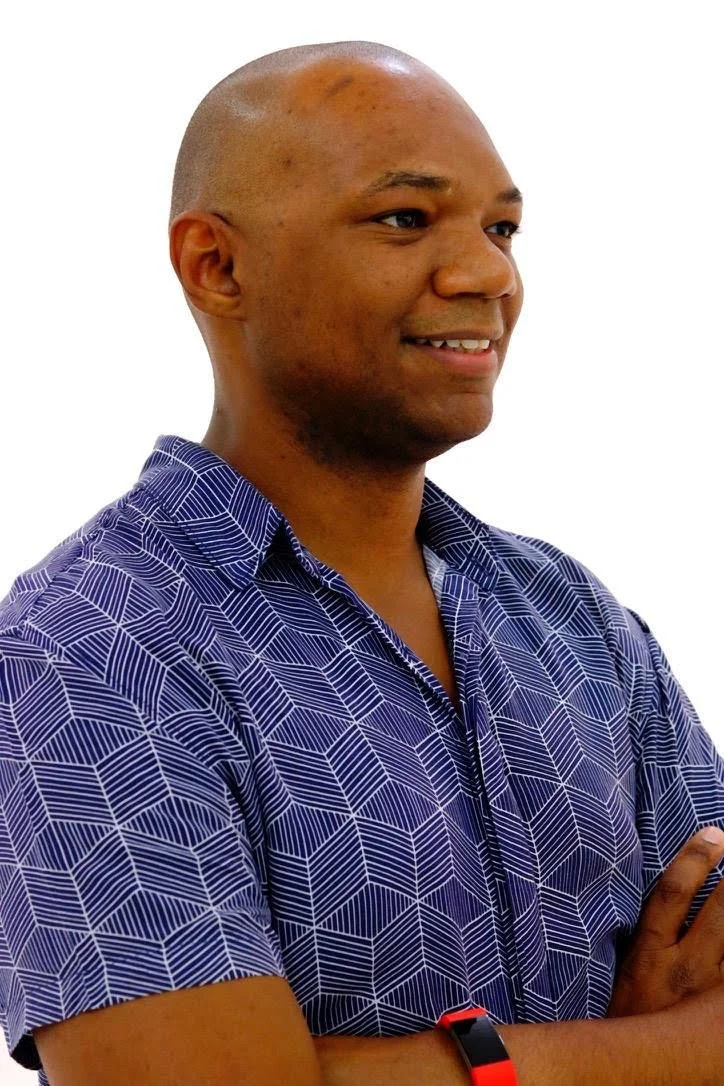
In this first entry to Sensu Lato, a series of interviews about ancient Greece, ancient Rome, and Latin America, Andrea Kouklanakis speaks with Dr. Gilberto da Silva Francisco, a historian and archaeologist in the Ancient History program at the Federal University of São Paulo (UNIFESP).
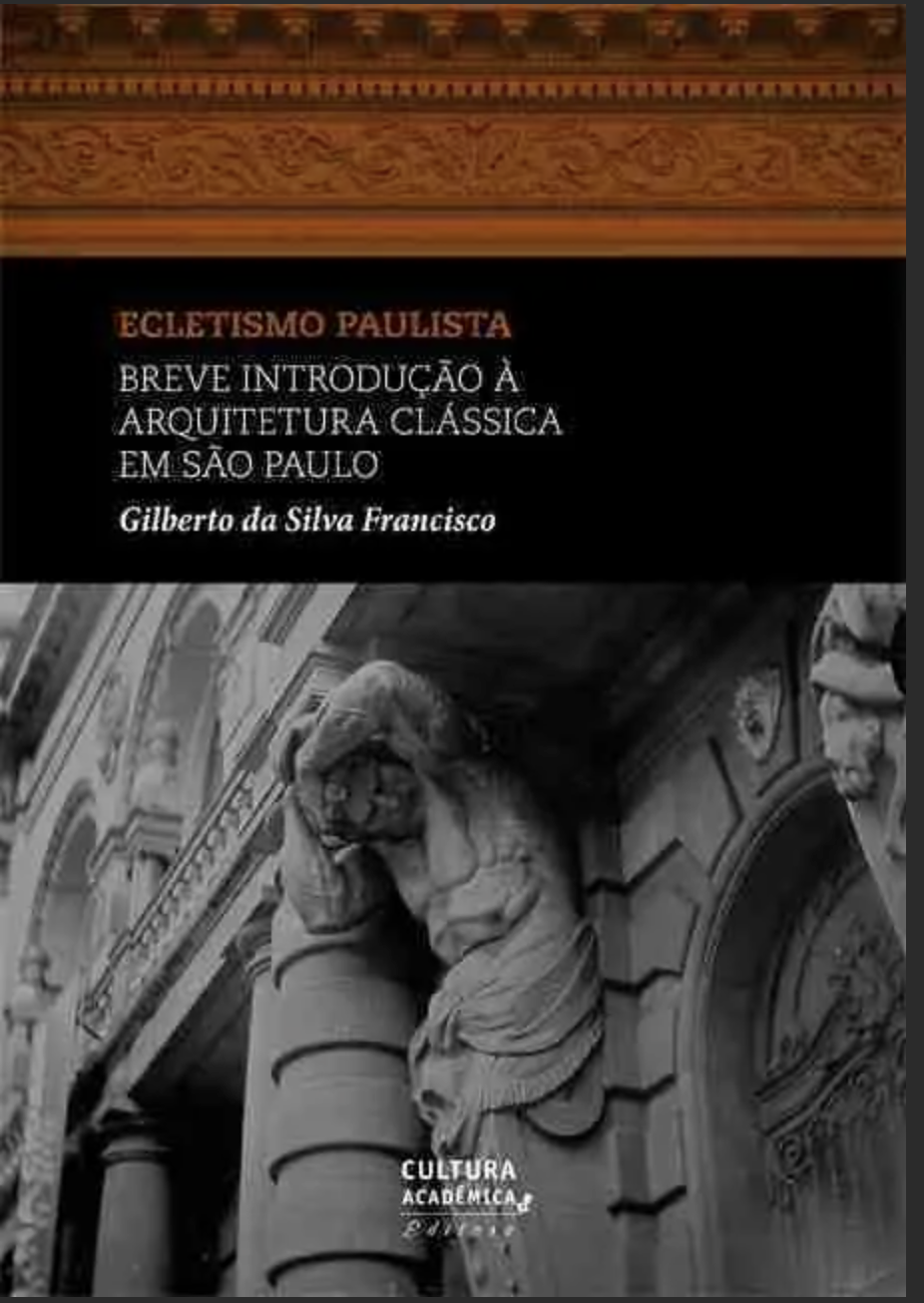
The author of Breve introdução à arquitetura clássica em São Paulo (2015) and dozens of scholarly articles on archaeology and the role of antiquity in Brazilian history, he is currently editing an issue of Mythos entitled “The Ancient Mediterranean and its African Connections: Between Narratives, Connections and Identities.”
Their wide-ranging conversation covers everything from ceramics to comics and samba schools.
Professor Gilberto, I heard your talk on neoclassicism in São Paulo’s architecture. Could you discuss this recent research?
From 2012 to 2016, I studied classical architectural reception in São Paulo, focusing on Greek and Roman influences. Though São Paulo seems disconnected from classical aesthetics, its downtown historic district reveals neoclassical elements, especially from the late 19th century when wealth from coffee plantations influenced urban development. My book, A Brief Introduction to Classical Architecture in São Paulo (2015), explores this phenomenon and its ties to European trends, particularly Paris. The research was a result of work with students and the field trips we took together to identity and interpret these classically inspired architectural elements… I’m trained as a historian and archaeologist, but my mentor, Dr. Haiganuch Sarian, emphasized that classical archaeologists must be classicists too—versed in history, philosophy, and languages. I teach ancient history with a focus on diverse sources—material, literary, and fragmentary—highlighting the need for broad classical education.
Could you speak a little more about the organization of classical studies in Brazil?
Classical studies are generally loosely structured. For example, I studied History but pursued archaeology at the Museum of Archaeology and Ethnology at the University of São Paulo, later studying Greek and Latin as well. Unlike in other countries, classical archaeology in Brazil isn’t institutionally tied to ancient history or classical languages. It is rather a training done at the Museum. It stands independently of the classics.
What does this loose structure look like on the ground?
At the Museum of the University of São Paulo (USP), archeology was divided into three branches each corresponding to the mythical formation of Brazil, a discourse based on the three races that composed the Brazilian nation (African, Indigenous, European). Therefore, classical archeology represented the European root, ethnology, the African, and pre-history dealt with Indigenous material culture. So while this rationale issues from this mythic nation building story, this also means that in my training I regularly worked alongside ethnologists and prehistoric archaeologists, excavating sites from 20,000 to 6,000 years ago. Many ancient history professors, including myself, have this kind of background, which we honed by researching at the museum in the way I’ve described. This is why ancient historians are always attempting to stimulate dialogue among archaeology, and languages.
That interdisciplinary training is interesting, especially considering that in the U.S., classical archaeologists are also seeking broader connections as a way to think about various antiquities.
Yes. For example, when I worked with French archeologist Denis Vialou on Indigenous rock art in Mato Grosso, in the central west region of Brazil, I learned to analyze Athenian ceramics differently-- considering the vase’s structure and context, not just the figures. That insight came from prehistoric archaeology.
How did you first become interested in classics more broadly?
I can point to two influences: The first is Monteiro Lobato, an author of children’s books, who basically reorganized children’s literature in Brazil, and was immensely influential. His A History of the World for Children was especially impactful – I read the whole collection. However, his legacy includes also his undeniably deeply racist views, which I understood as I re-read [the books] as an adult. The second was my father’s involvement in the carnival world. He was an instrumentalist in samba schools. I always accompanied him and I remember seeing the floats and costumes, which often referenced Greek mythology, Neptune, Greek columns, and these fascinated me.
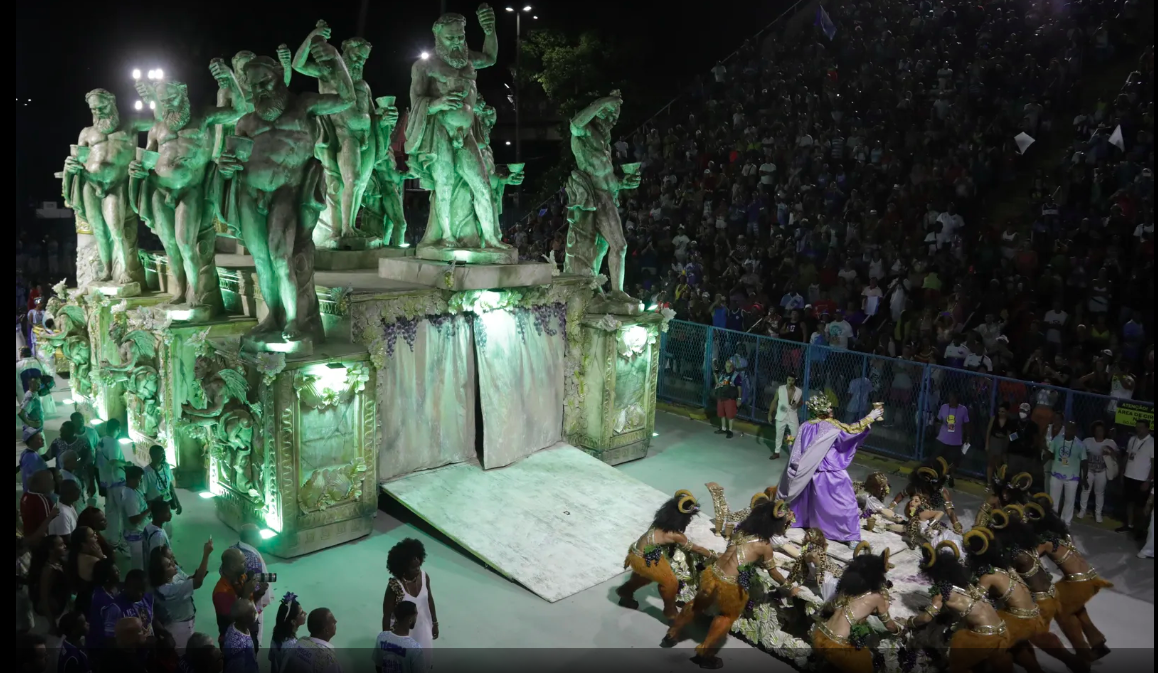
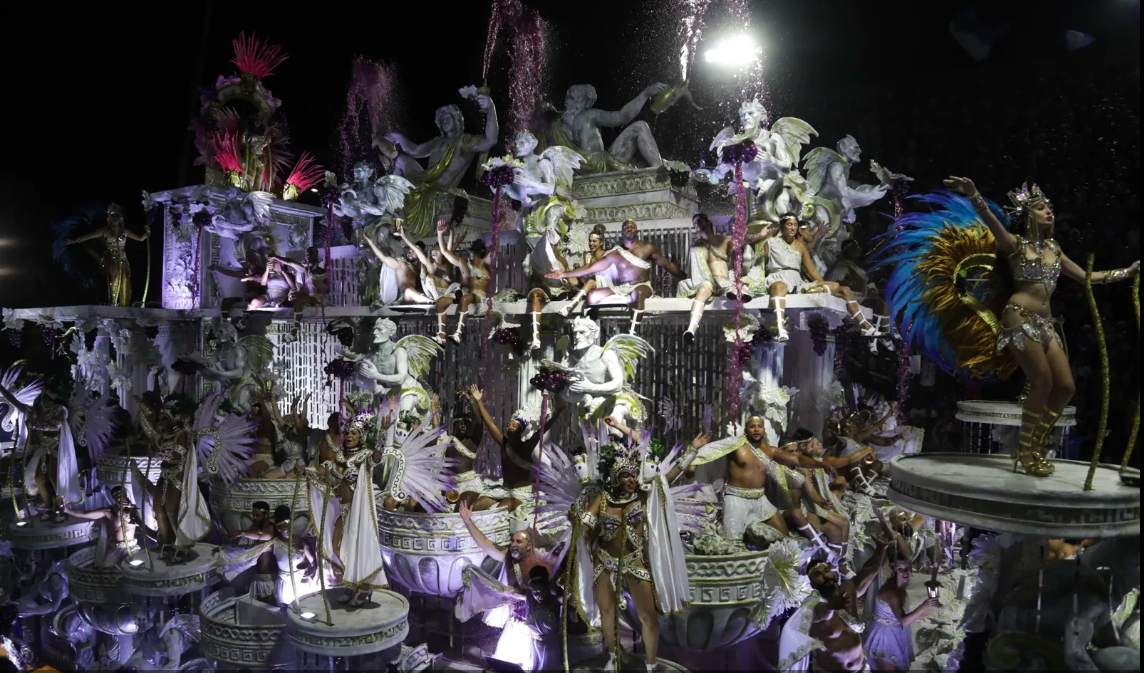
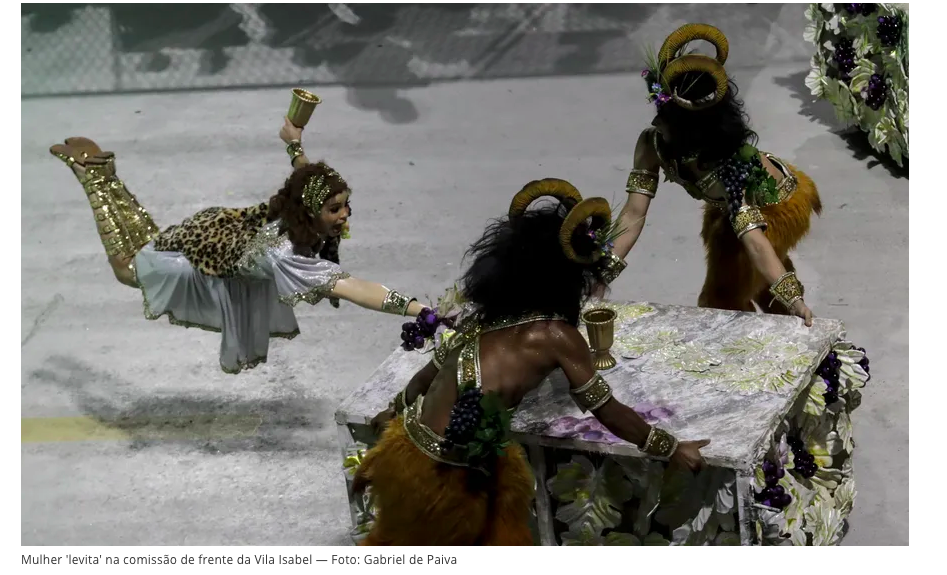
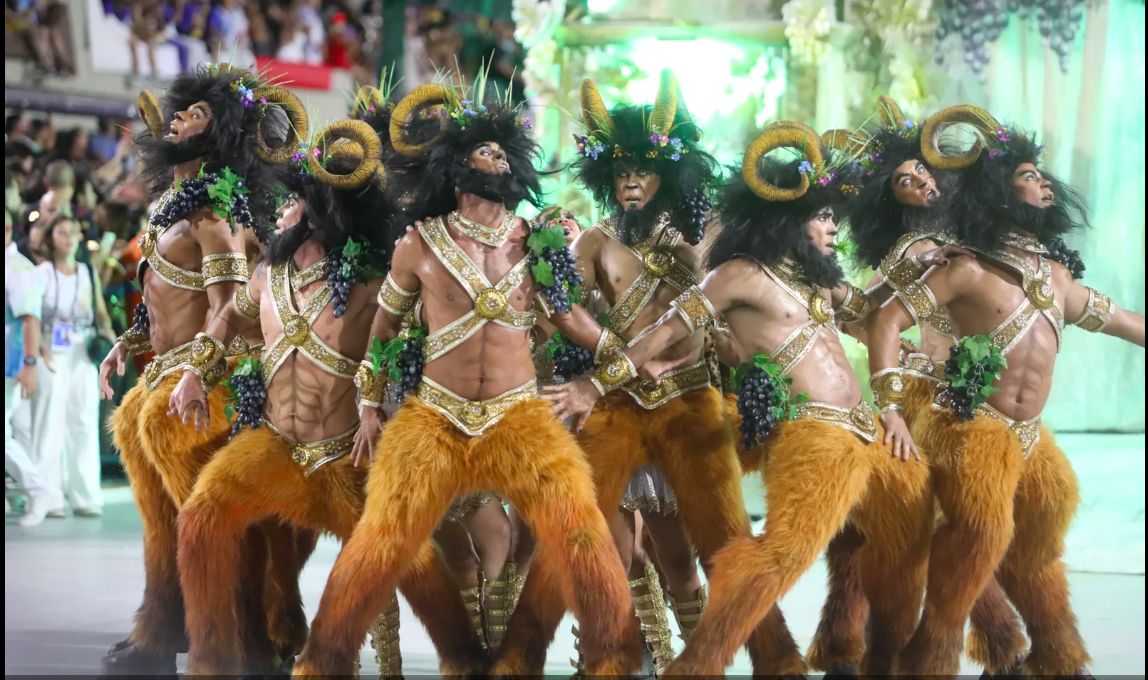

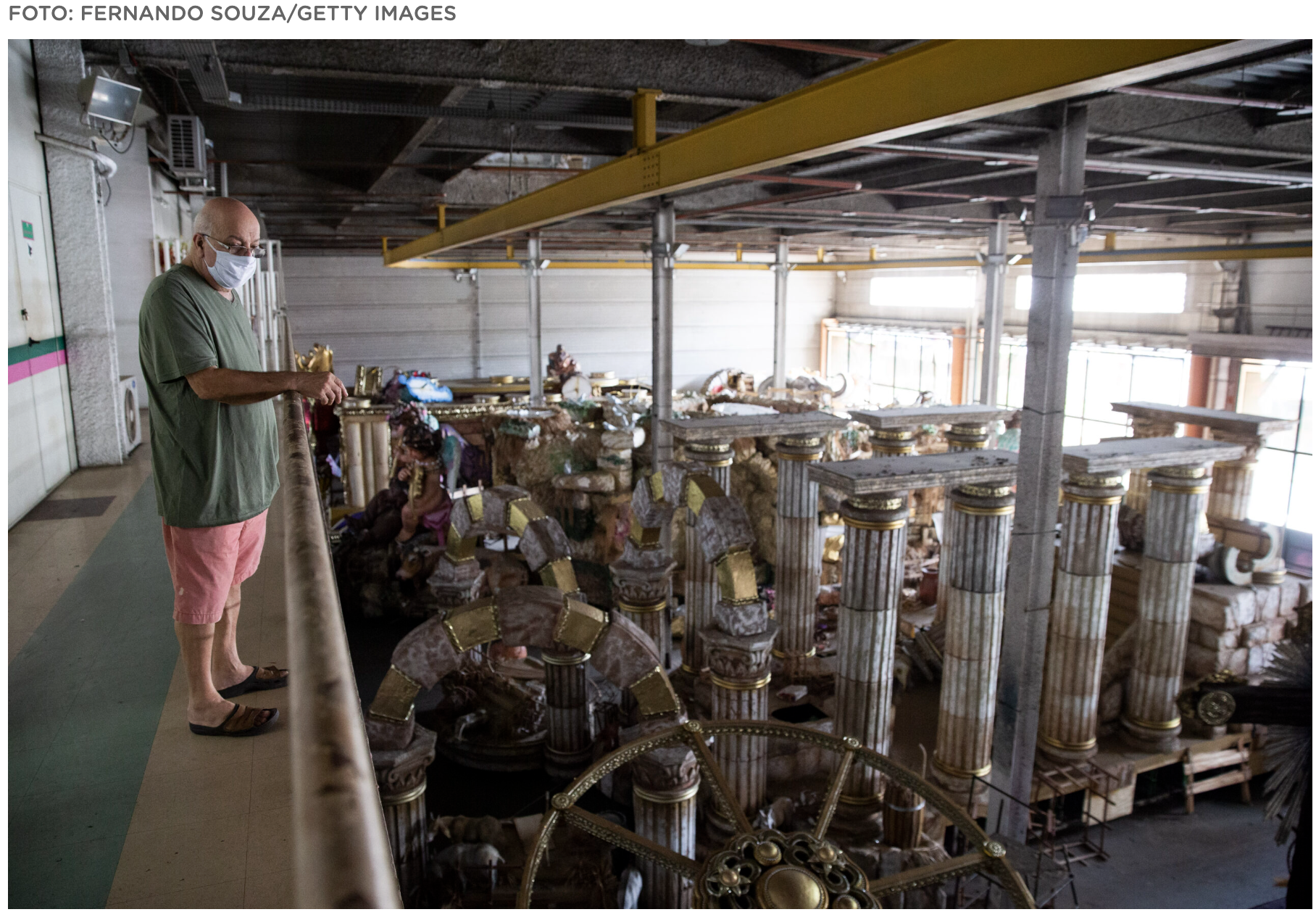
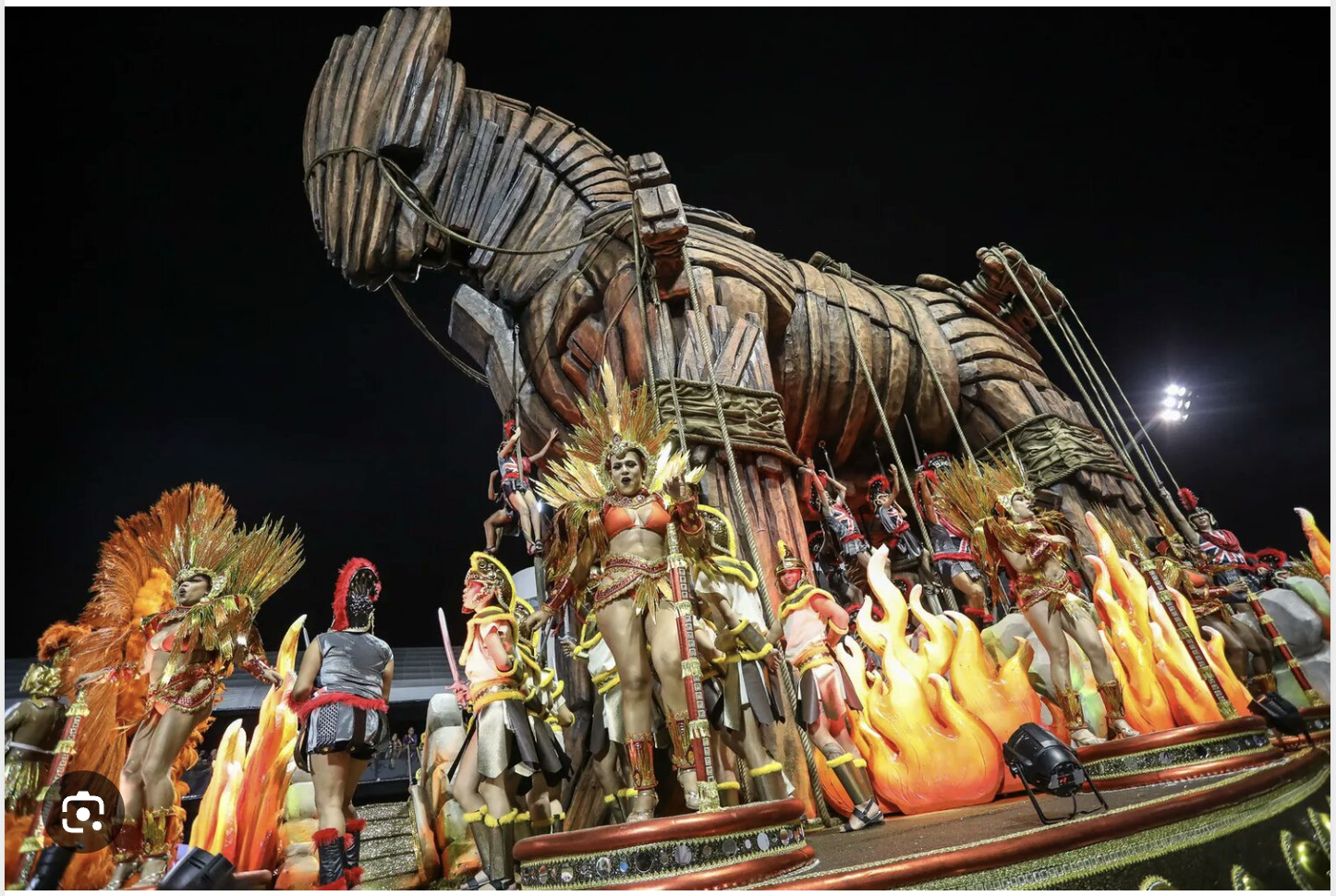

I can relate to this bit of your biography. My aunt is 92 years old and she still parades during carnival. In fact she is a bit of a personality at her samba school. I myself grew up around samba schools and their classical aesthetics…Could you elaborate on Lobato’s engagement with the classics in his children’s books?
Gilberto: I’m thinking of his Minotaur story, published in 1939, where Aunt Nastácia, the Black woman who was the cook in the famed Yellow Woodpecker Farm (“Sítio do Picapau Amarelo”) is kidnapped, and as the other characters plan their trip to Greece to rescue her, they debate about which Greece to visit—modern or ancient. Dona Benta, the matriarch grandmother and Lobato’s alter ego, erudite and traditional, visits Classical Athens. While in Athens, she visits the house of Solon and talks with an enslaved woman, who says she is treated well, as though she were a part of the family. Lobato’s point of view is of course from that generation of conservative people who saw Brazil’s transition to the post-abolition period with despair, and for him the Minotaur represented modernity itself, devouring people. And the Minotaur said so himself.
What social responsibility do the classics have to contemporary society and what is its impact on non-traditional students?
Our world was shaped between the 16th and 19th centuries using classical references. Though we are not direct heirs of Greece and Rome -- and I don’t believe such a thing exists-- institutions and other cultural expressions were built on this constructed heritage. Even Afrocentric critique of such institutions and cultures can unintentionally reproduce this classical framework. Therefore, we must understand this foundation to critique it effectively. We can look at studying Greek and Latin as an “exercise in difference,” as Paul Veyne stated in his 1987 History of Private Life: From Pagan Rome to Byzantium. The classics aren’t the cradle of anything, or the West, nor are they the origin of everything. The fact that they left so much written record does not mean that other people did not have rational thought. But these records are deeply embedded in our formation.
How do you incorporate the topic of race and diasporic studies into your work?
Since 2018, I’ve focused on these topics, inspired by my students at UNIFESP, many from low-income backgrounds. They ask, “Where is Africa in ancient history?” I began exploring African presence in Homeric poetry and beyond. There is also Law 10.639 which mandates teaching African and Afro-Brazilian history, and this helped institutionalize and expand diasporic studies and African scholarship. I developed a project called “Afro-Connected Ancient History,” examining Mediterranean-African connections and integrating African scholarship. While some of the claims by Afro-centric scholars, such as Cheikh Anta Diop, Molefi Kete Asante, or the Brazilian Abdias do Nascimento are difficult to prove -- and in my classes we read and develop critique of these-- what matters is the political and ideological dimension of their work.
You mentioned your Afro-connected perspective in terms of interactions between various regions and people. What else does it mean? Could you elaborate?
I understand that Afrocentrism seeks to reclaim dignity, which is a good thing, but I focus on connections. History isn’t centered in one place—it’s shaped by multiple centers and peripheries in different places and at different times. Egypt was a center in some eras, but not always. The issue with Afrocentrism is that in its critique of Eurocentric narratives, it often shifts the center of history from one place to another rather than decentralize these centers altogether. I prefer an Afro-connected approach, emphasizing interregional connections—Africa, Asia, Europe—rather than a single origin. In addition we have to consider the perspective of those studying these various centers. My perspective is shaped by being a Black man in Brazil, impacted by Law 10.639.
In my Afro-connected project I study how Mediterranean cultures interacted with Africa, Asia, and Europe. Afrocentric authors like Diop and Obenga have gained traction in Brazil, especially in regions like Bahia, and despite my own critique, it is all for the good. I’m currently reading Sarah Derbew’s Untangling Blackness in Greek Antiquity, which explores these complexities.
What is the role of the classics in Black intellectual history in Brazil?
The classics are often seen as European and disconnected from Blackness. I challenge this by showing that Greece and Rome were Afro-Asian, not European. While some Black intellectuals do engage with the classics, many more focus on Yoruba ancestry. This stems from 19th-century racial theories that elevated Yoruba culture above other African cultures. For example, though most enslaved Africans in Brazil spoke Bantu languages, Yoruba became the dominant cultural reference. Abdias do Nascimento, for instance, embraced Yoruba and Egyptian elements in his art, influenced by Diop and Asante whom he knew. I myself have written about Abdias. I always encourage my students to develop critical engagement with these authors. I often tell them that celebration of their work begins by bringing them to the classroom to be the object of study and critique.
What do you think of scholarship that establishes comparison between the Yoruba and Greek pantheons?
Indeed, some scholars compare these, for example, Hermes with Exu, and so on. I find that these comparisons can be productive, and certainly more productive than debates over cultural theft, borrowing, centers, or origins, because they highlight archetypal similarities without necessarily engaging in hierarchies.
How do Brazilian classicists view classical scholarship produced in the U.S., especially African-American and Africana receptions?
Brazilian classical studies are mostly influenced by global history and identity studies. These fields sometimes clash—identity studies reject metanarratives, while global history seeks broader synthesis. Race and ethnicity in antiquity are increasingly discussed within classical studies, including discussions about appropriateness of terms like “race” and “racism” in ancient contexts. I understand that in the U.S. the classics are associated with far-right ideologies and white supremacy discourse, but in Brazil, these notions are generally associated with medieval studies, and are not as legible in the field of classical studies.
You are currently leading an excavation project in Greece. How has your experience been?
I first came to Greece in 2004 and have returned often, working on the Sanctuary of Hera at Delos with the French School at Athens. The institution has supported my research with excellent resources throughout. As to my experience living in Greece as a Brazilian and a Black man, yes, it can be a little complicated at times. Of course, as a Black Brazilian I know racism well, but in Greece ethnicity plays a large role, too, and this is different from what I know. In Brazil, racism is entirely tied up with phenotype; in Greece, foreignness is also a mark. I’ve had moments of discomfort, but have also experienced meaningful integration, especially within family circles. Greek sociability is different—less outwardly warm compared to Brazilians—but once you understand this, it is also welcoming.