
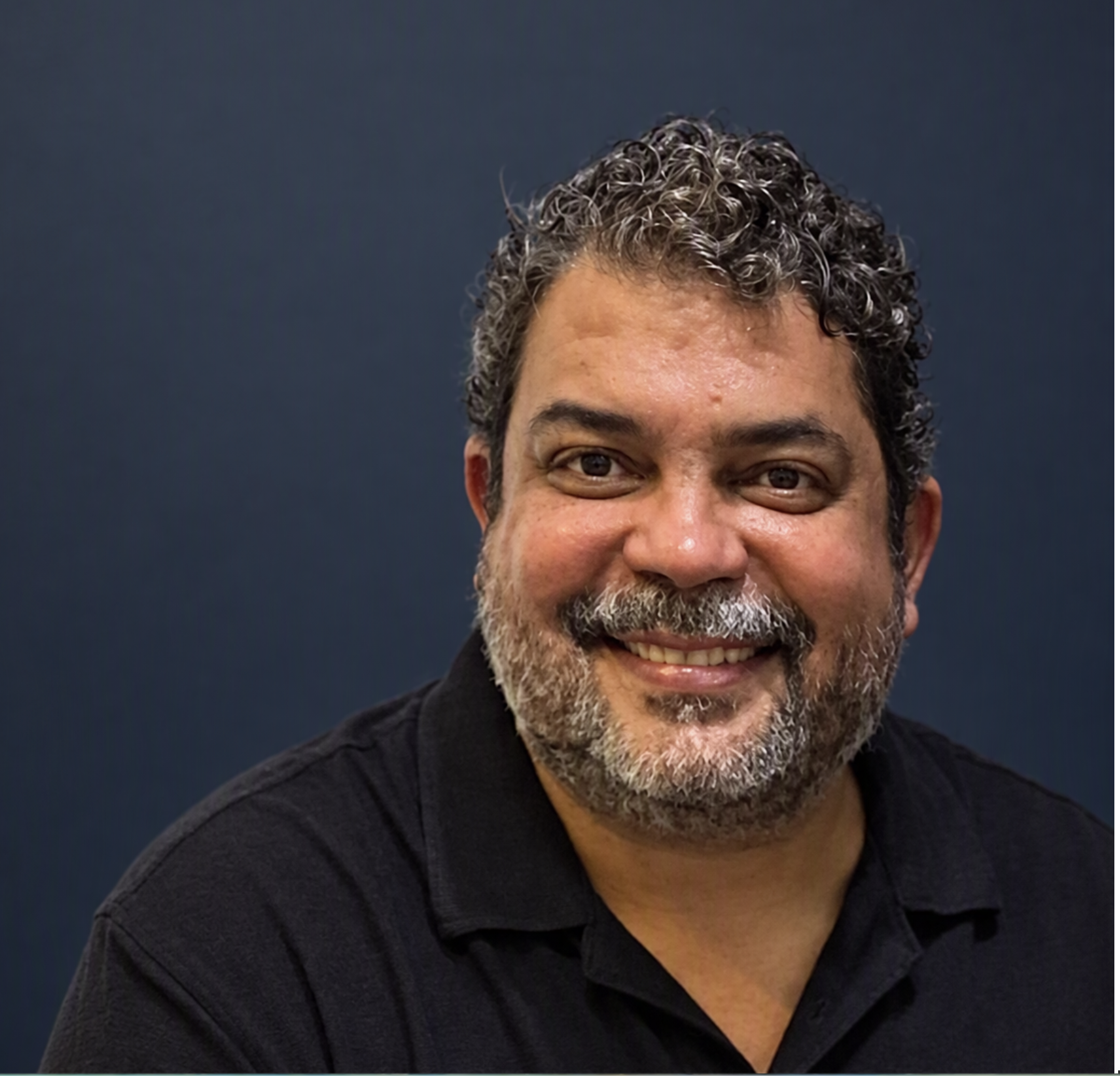
In this third entry in Sensu Lato, a series of interviews about ancient Greece, ancient Rome, and Latin America, Andrea Kouklanakis speaks with Dr. Brunno Vieira. Dr. Vieira is a Professor of Classics at the State University of São Paulo (UNESP-Araraquara) and previously taught at the Federal University of Paraná (UFPR) from 1999 to 2004. He teaches Latin Language and Literature and the History of Translation. He has been a permanent faculty member of the Post Graduate Literary Studies program at UNESP since 2009, serving as program coordinator from 2016 to 2021. He has focused on the intersections between classical culture and Brazilian critical thought, with recent studies on Odorico Mendes, Machado de Assis, and Maria Firmina dos Reis. He has translated Lucan (Unicamp Press, 2011; 2014 reprint) and Horace (UFPR Press, 2024, with L. D. Cardoso), among others. As a member of the Odorico Mendes Group (UNICAMP), he collaborated on the annotations for the Bucolics (Ateliê, 2008, expanded reprint forthcoming) and the Georgics (Ateliê/Unicamp Press, 2020).
Dr. Vieira, I understand that you like to start these dialogues by describing yourself in terms of your racial identity and work.
I describe myself as pardo (multi-racial) and Black, terms used among Afro-descendants in Brazil. I am a poetry translator and a professor of Latin language and literature at the State University of São Paulo (UNESP-Araraquara). My scholarship and teaching are grounded in my desire, as a Black scholar, for intellectual autonomy. For me, antiquity offers a recognition of alterity par excellence. Early in my career, I focused on identifying Blackness in the field, writing on Cleopatra and studying African peoples in Lucan’s Civil War. I am also interested in the classics as a way to imagine different points of view. When I read Herodotus, I see the Greek point of view alongside that of the Scythians and Egyptians. I meditate on the historical perspective of Amerindian Amazonian women—not to make naive comparisons, but because it matters that I read the ancient world from my location in the subtropics of Brazil, where our Amazonian people have continuously fought environmental and gender-based violence.
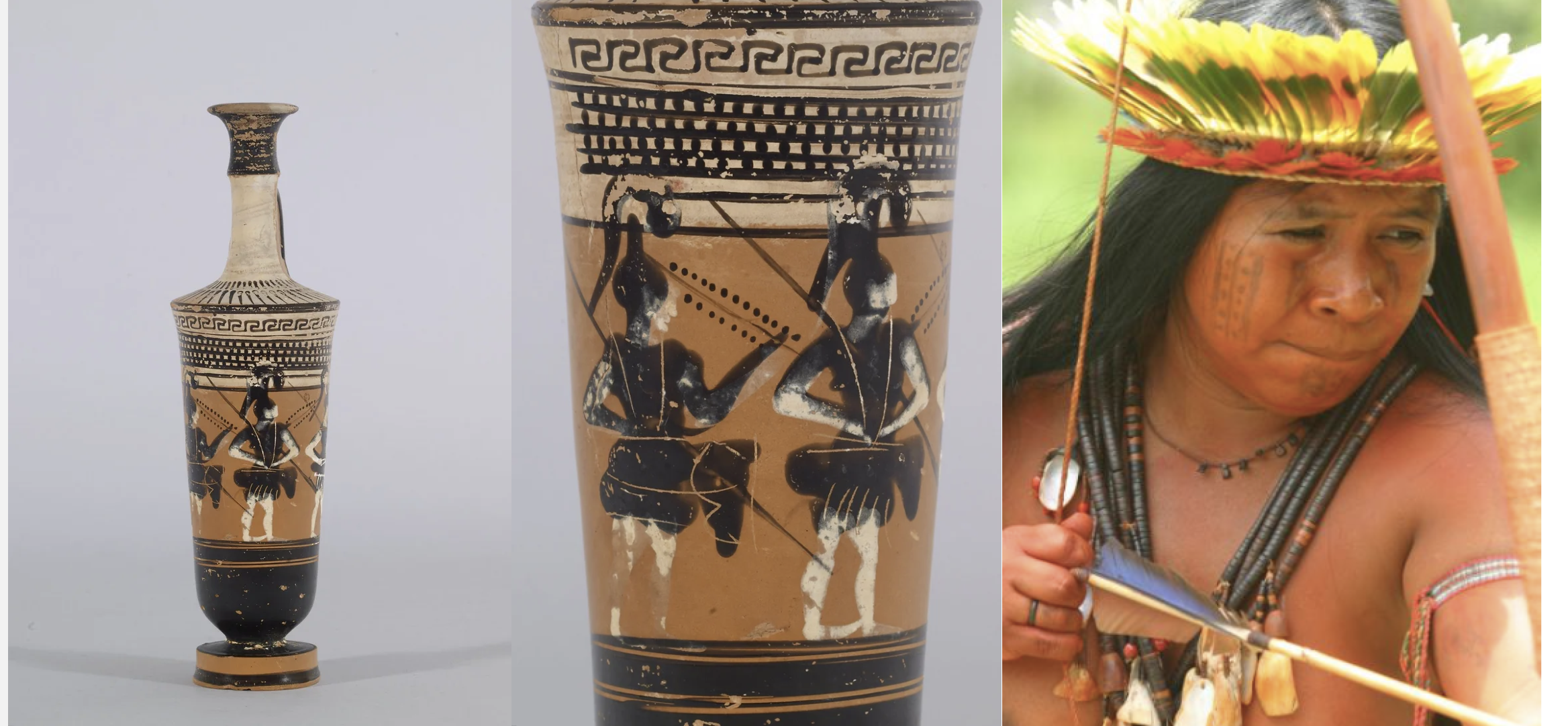
Left and center: Lekythos. Beldam Painter (Greek, active ca. 500-450 BCE) (?) (Artist) ca. 500 BCE (Archaic) terracotta, wheel-made; black figure with white paint (Ancient Greece): Three Amazons on this black-figure lekythos face right and appear to march one after the other. Their skin is white, but their facial features are eroded or rubbed away and indistinguishable. Each wears a helmet, holds a long spear and has a horizontal quiver. The middle figure holds both hands near her waist; the other two have one hand raised. The Walters Art. Right: Museum Indigenous woman with bow and arrow. (Photo by Beatriz Ferreira) 8th Indigenous Cultural Tournament: Archery 2005. Fortaleza - CE Laboratory of Biocultural Anthropology - Unicamp (Photo by Beatriz Ferreira)
Could you elaborate on what a multi-perspectival reading means?
The classics arrived here with the Jesuits’ cross. There is a famous nineteenth-century painting of the First Mass in Brazil: the priest and cross stand in the foreground, while Indigenous people watch this unfamiliar ritual from the background, looking curious and challenged. We must understand the logic that creates the distinction and tension between background and foreground, artistically and metaphorically. Studying antiquity facilitates this because antiquity itself has ambiguous definitions, and later interpretations have shaped our understanding by projecting similar tensions. That understanding informs both my identity as a classics scholar and my teaching practices.
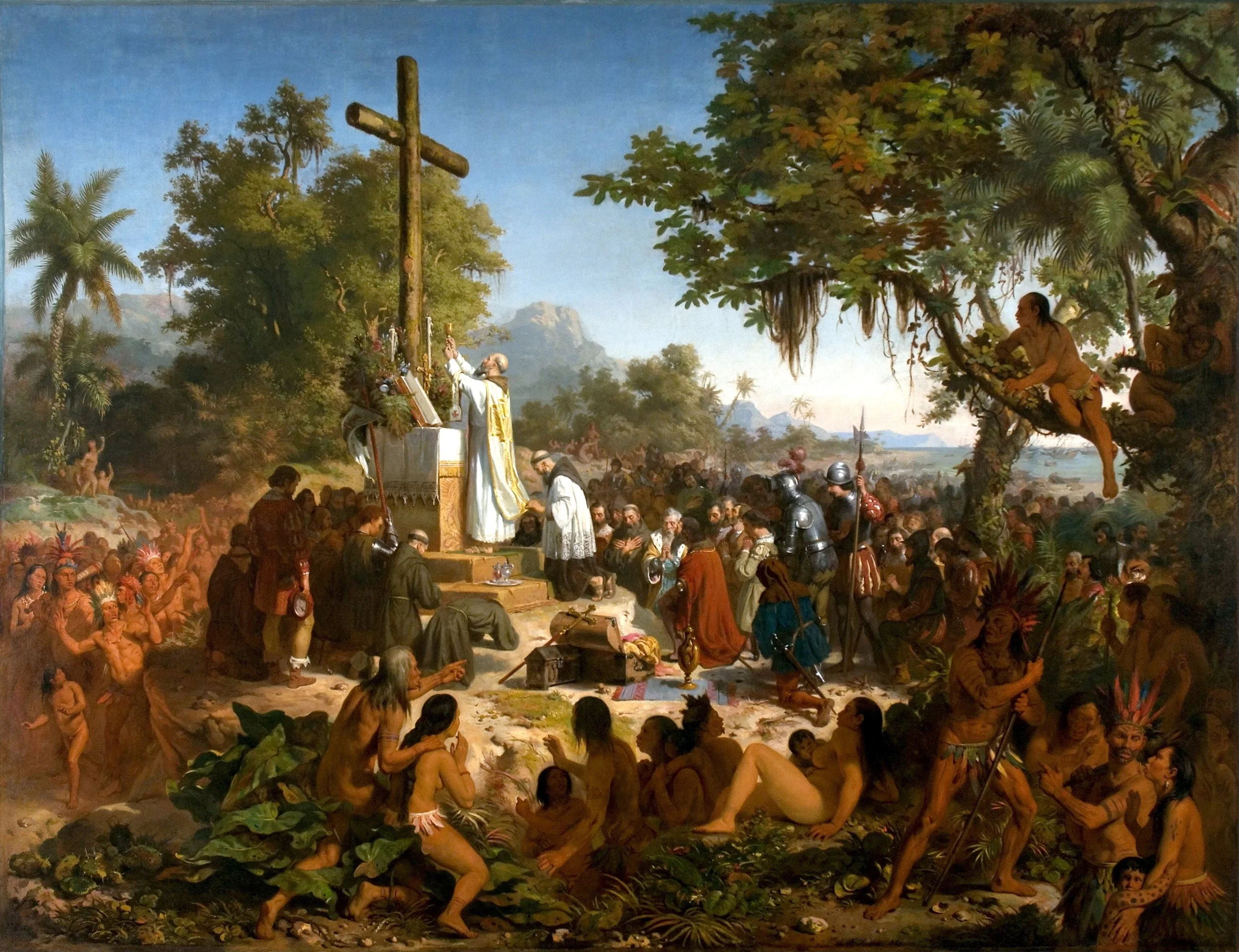
“First Mass”, Victor Meirelles, 19th century - historical painting, oil paint, canvas, 268 centimeters. Museu Nacional de Belas Artes, Brazil (National Museum of Fine Arts)
Talk about your recent publication on the 19th-century Afro-Brazilian novelist Maria Firmina dos Reis.
At the end of 2024, I published an article on Maria Firmina dos Reis, author of the first novel written by a woman in Brazil, Úrsula, in 1859, incidentally, the same year that Harriet Wilson’s Our Nig appeared. In Úrsula, she addressed the situation of enslaved Africans through literary language shaped by early manifestations of the classical tradition in Maranhão’s capital, São Luís. Although geographically distant from colonial centers like Rio de Janeiro, São Luís was the first Brazilian literary space to emphasize the translation and reception of classical works.
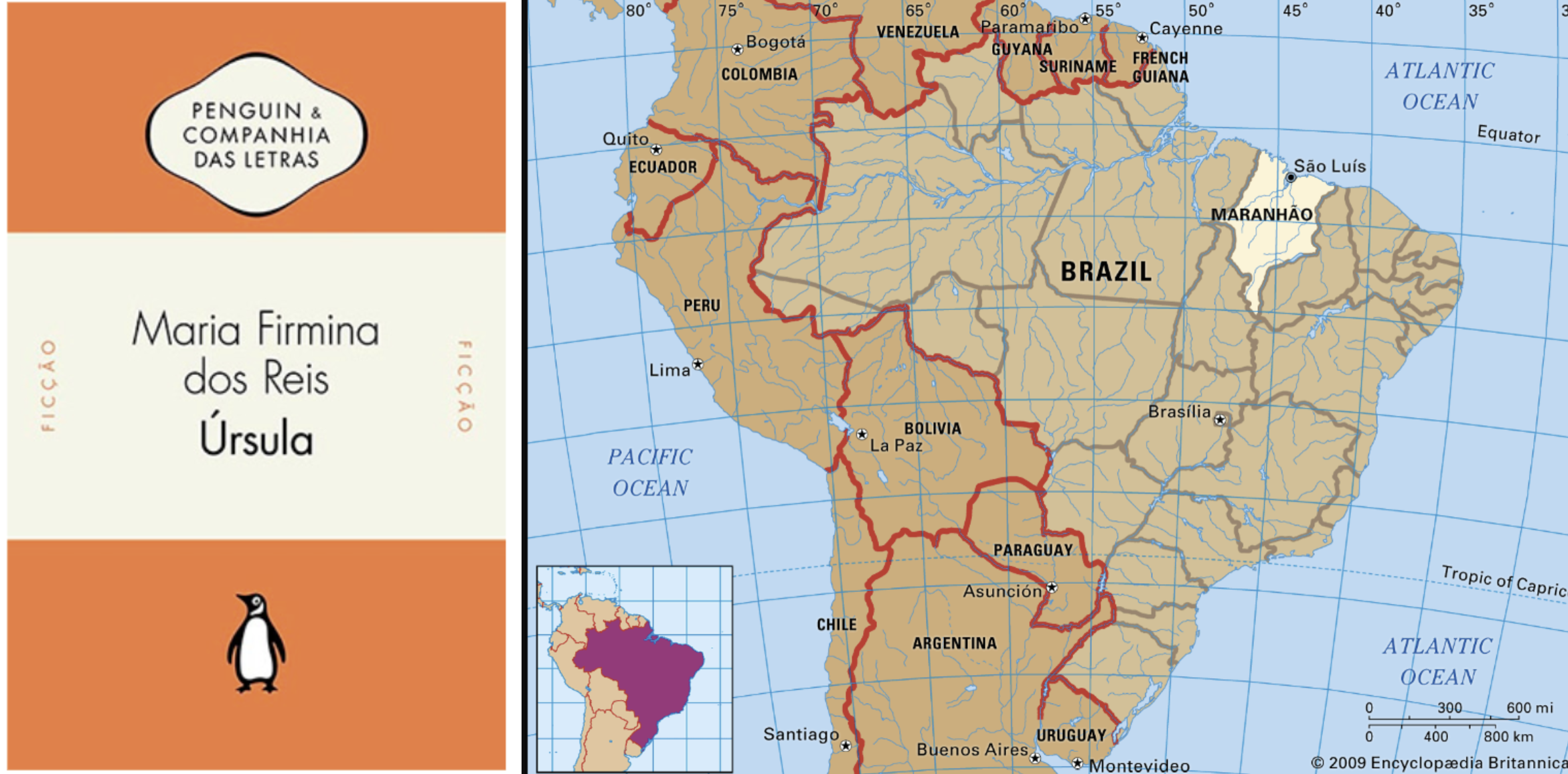
Left: Úrsula (1858) Book cover. Penguin. 2018. Right: Map of Brazil highlighting the city of São Luís, the capital of Maranhão.
Maria Firmina shows how classical learning, though inseparable from colonization and Jesuit instruction, became a source of intellectual autonomy that fed Brazil’s aesthetic and political independence movements. In her poetry collection, Cantos à Beira Mar (Songs by the Seashore), she describes the news of Brazil’s 1822 independence in her poem “Minha Terra” (1871). She represents her land in a statuary trope, but unlike the American Statue of Liberty, hers was a Moorish Sultana—a free queen: “Oh! como é belo contemplar-te posta/ Mole sultana num divã de prata”. She also emulates the traditional convention of literary rivalry, from Horace to Camões, in the poem “Por Ocasião da Passagem de Humaitá,” telling ancient Rome that she does not envy its brilliance because her land has heroes and the motto of liberty.
São Luís was also known as the “Brazilian Athens.” Could you speak about this tradition of translating the classics and how Maria Firmina fits in?
Brazil has long treated the classics and Latin as symbols of learned distinction and power, reflected in the nineteenth-century idea of Brazil as a “republic of bachelors,” ruled by men trained in law and literature. This was among the earliest attempts to construct a national identity that emerged from and centered on literature.
A famous translator from this “Athens” was Manuel Odorico Mendes, who translated Virgil’s complete works as Virgilio Brazileiro (1858) and later the Iliad (1874). His translation was an attempt to use antiquity to reflect on Brazil itself. Odorico suggests that indigenous wars were Homeric in their mode, influencing how later Romantic poets such as Gonçalves Dias represented Indigenous peoples. Although echoing the prejudices of their era, such as Rousseau’s “noble savage,” Odorico Mendes and his successors were seeking national autonomy. Their translation practice set the stage for the first challenges to colonization, patriarchy, and the enslavement of Africans, as did the work of Maria Firmina.
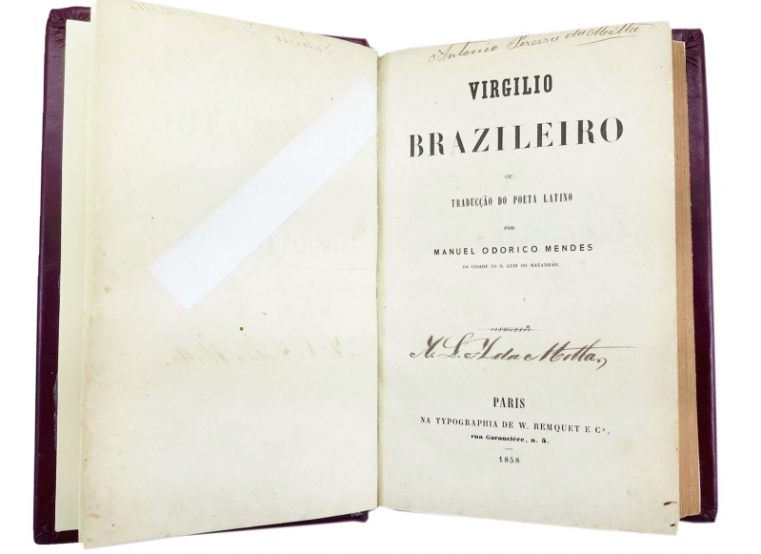
Manuel Odorico Mendes, Virgilio Brazileiro. Paris: W. Remquet Cia. (1858)
Haroldo de Campos comes to mind here, right?
Yes—the foremost poet and translator Haroldo de Campos illustrates this well. Campos drew on the Brazilian modernists of 1922, especially Oswald de Andrade’s idea of cultural “anthropophagy,” linked to the Tupinambá practice of ritual cannibalism, to represent the Other through the act of devouring. For Campos, whose works are widely published in English by Else Vieira (Federal University of Minas Gerais), translation itself becomes anthropophagy. This notion is epitomized by his play on Shakespeare’s “To be or not to be” as “Tupi, or not Tupi,” a reference to the Tupinambá nation.
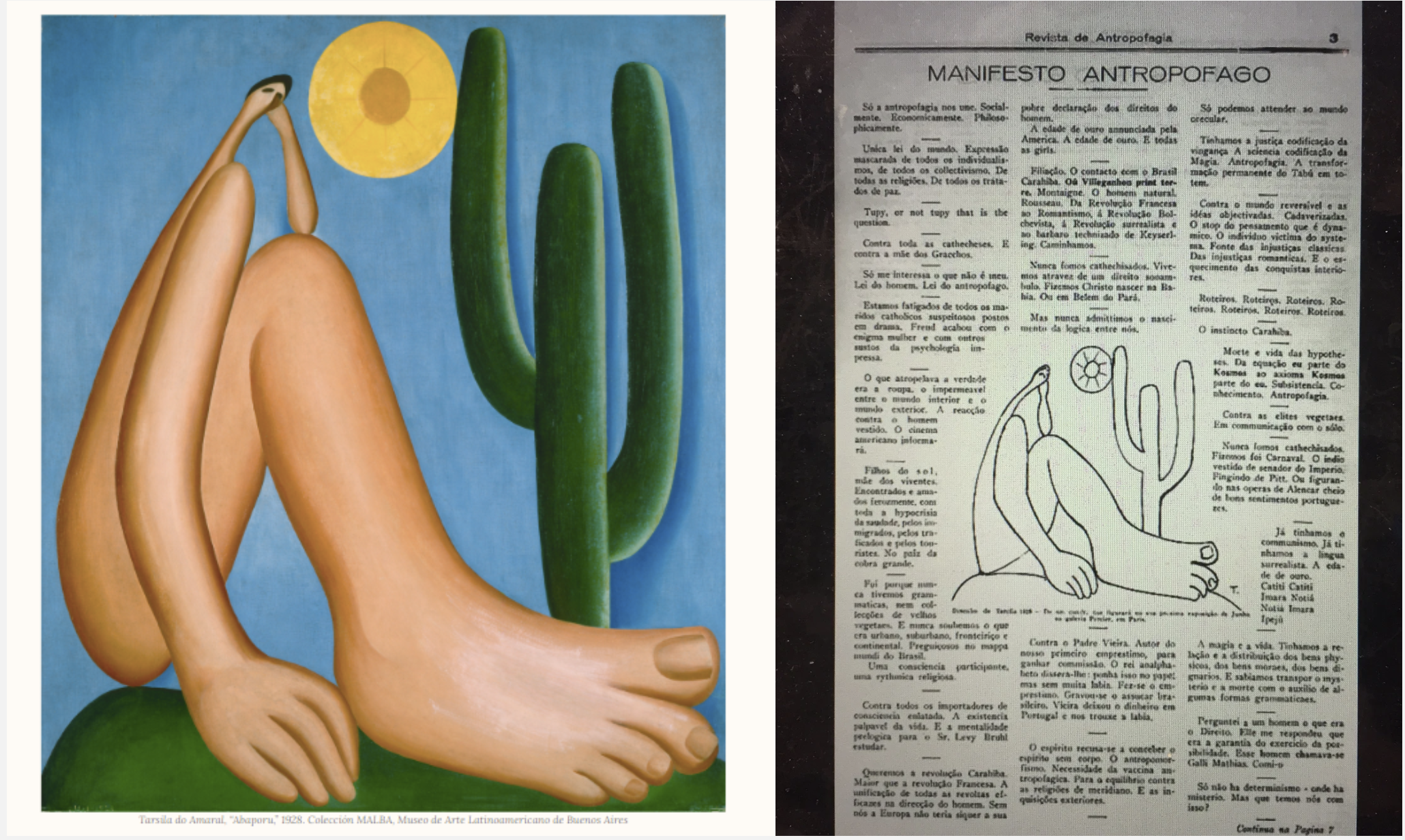
Left: “Abaporu,” by Tarsila do Amaral, 1928 (Latin American Art Museum of Buenos Aires). Right: Text of “Manifesto Antropófago” (Anthropophagic Manifest ), by Oswald de Andrade, (1928).
How does this devouring, or interdisciplinarity, show up in Classical Studies more broadly?
Classical Studies in Brazil has never been rigidly siloed. This interdisciplinary quality runs throughout our intellectual life: think of Pedro Paulo Funari, an archaeologist at the University of Campinas, who works on Pompeii but also coordinated excavations at Quilombo dos Palmares, a community founded by formerly enslaved people. Brazilian public universities are democratic institutions aimed at educating citizens, not just training specialists. In fact, the classics have become even less specialized than in the recent past, when one had to choose strictly between being a Latinist and a Hellenist.
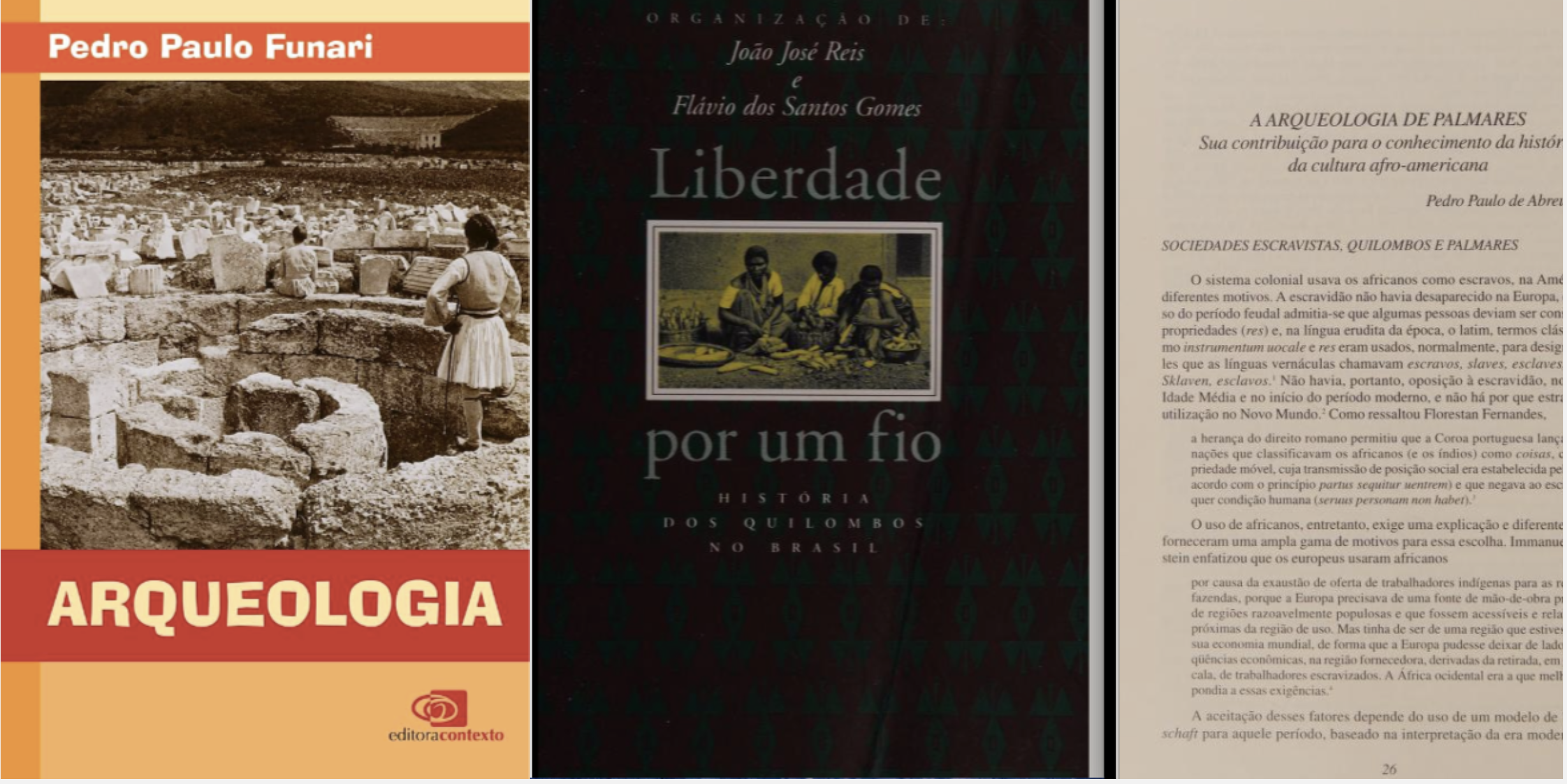
Left: Pedro Paulo Funari, Arqueologia. Editora Contexto, 2024 (on ancient archaeology). Right: Cover of Liberdade por um fio: história dos quilombos no Brasil (São Paulo, Brazil: Companhia das Letras, 1996), and text of Furnari’s chapter therein:“Arqueologia de Palmares: sua contribuição para o conhecimento da História da cultura afro-americana” (Archeology of Palmares: its contribution to the knowledge of the History of Afro-American culture).
To return to Maria Firmina, how do you see her work in relation to Black Classicism?
A significant episode in Úrsula is the character Suzana’s narration of her life in Africa and her capture. Her story echoes Maria Firmina’s own biography: her grandmother likely boarded a slave ship in Guinea and later had Firmina’s mother, Leonor, who was literate and, in turn, educated her daughter. Therefore, Suzana’s testimony is imbued with authenticity: “Soon two men appeared, and tied me with ropes. I was a prisoner – I became a slave! It was in vain that I begged in the name of my daughter... the barbarians laughed at my tears, and looked at me without compassion”. Maria Firmina reverses the scene of the encounter between Africa and Europe. The arrival of the “barbarian” and capture of the then free African woman is the inverse of Ovid’s Andromeda in Metamorphoses, where Perseus becomes the liberator of the chained African woman. Firmina anticipated later fictional interpretations of the Andromeda myth by Charles Martin and Luiza Lobo in 1988, as well as the more recent, brilliant analysis by Kimathi Donkor in 2020.
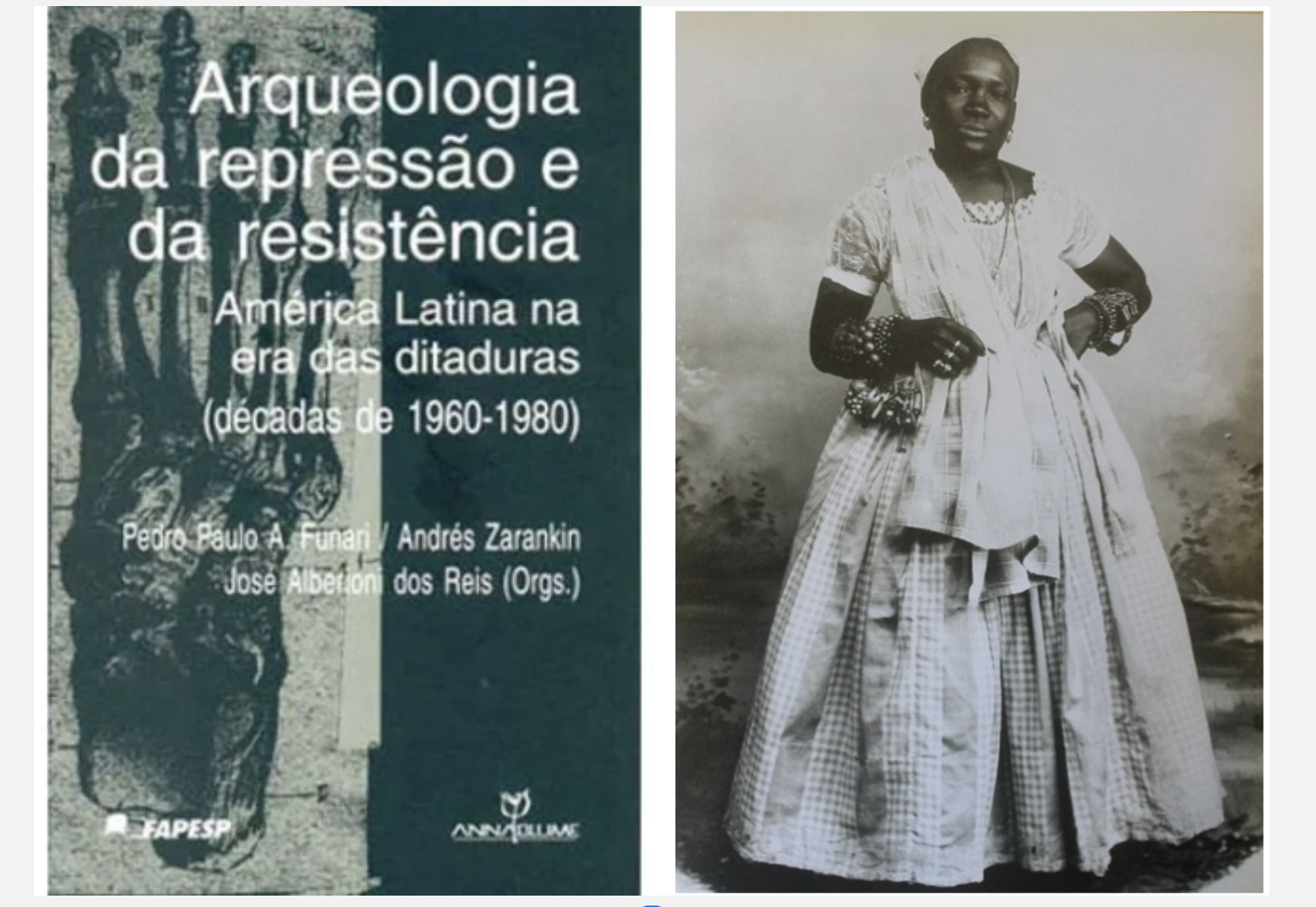
“Baiana” (representing Suzana’s character). Photo: ca. 1880-1900 by Rodolpho Lindemann, Bahia, 1900. Fonte: Acervo do Instituto Moreira Salles. Source: Instituto Histórico Geográfico Brasileiro (Historical and Geographic Institute of Brazil).
Could you say a few things about Black movements and their connection to Classical tradition and reception in Brazil?
Brazil has a rich tradition of engaging Classical material through Black cultural production. For example, Vinícius de Moraes’s Orfeu da Conceição (1954) merges Classical myth with Black identity, while Chico Buarque’s Gota d’água (1977) reimagines Medea as a woman rooted in Afro-Brazilian religiosity on the urban periphery. The Black Experimental Theater (TEN) in the 1940s also staged Classical works as part of a broader cultural movement.
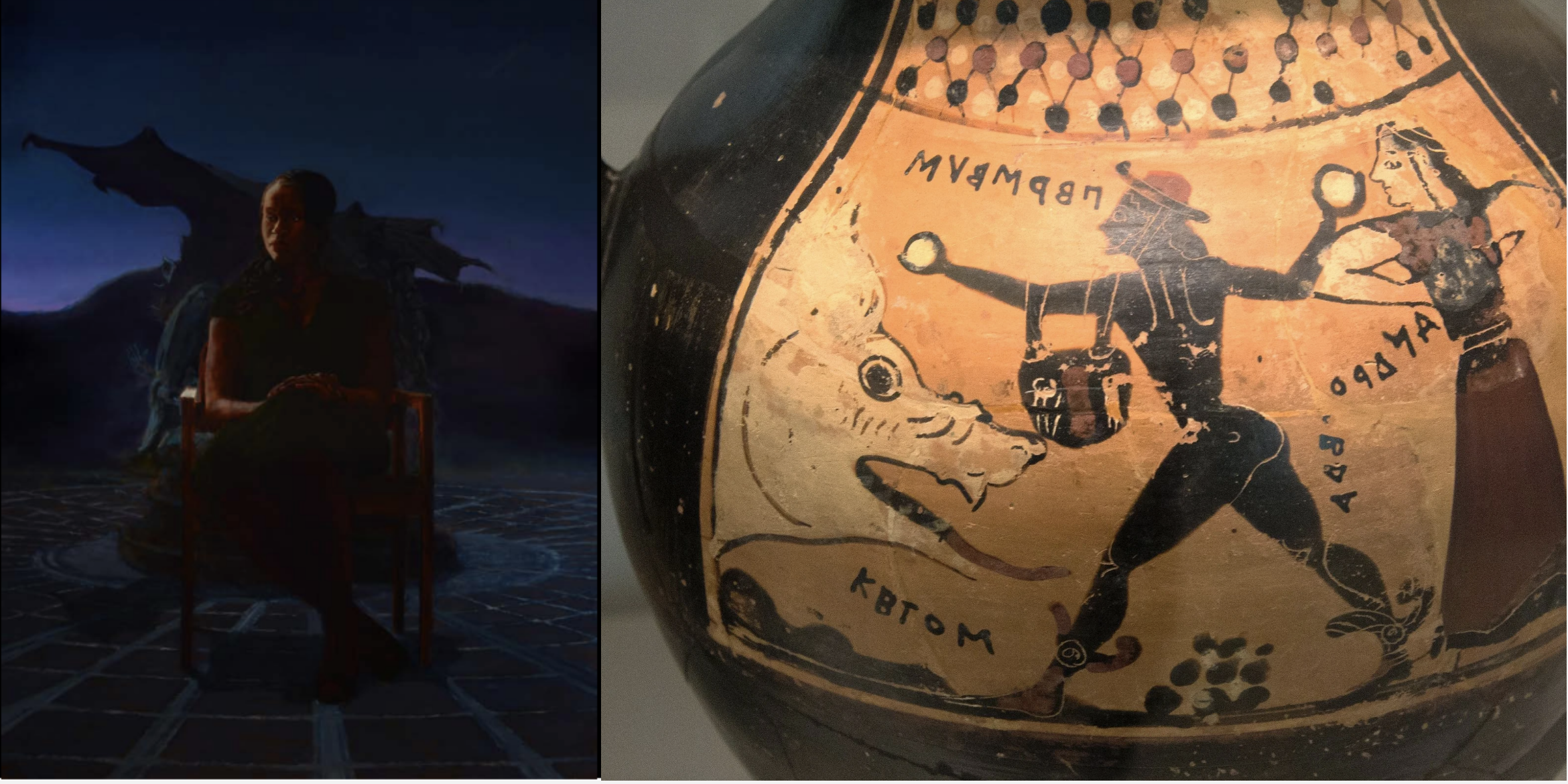
Left: “Black Andromeda” by Kimathi Donkor, The Rescue of Andromeda, 2011. Tate British Collection. Right: Perseus and Andromeda. Corinthian black-figure amphora from Cerveteri (Italy), 575-550 BC. Andromeda Helps Perseus Kill Cetus. Antikensammlung Berlin, Altes Museum, F 1652.
The importance of perspective brings us back to translation, right?
Yes, and your translation of Luís Gama in Classics and Race: A Reader shows how Gama’s poetry becomes legible to an Anglophone reader—his resistance lives in ambiguity and language that subverts expectations. Creative translation requires understanding a text at the aesthetic level.
Who has inspired you in your trajectory as a classicist and translator?
I love Brazilian popular music, especially Gilberto Gil, who is essential to understanding Brazil’s ties between Africa, the Americas, and Europe. Early in his career, Gil took part in the Tropicalismo movement. The iconic album Tropicália includes pieces with Latin titles alongside Yoruba drumming and Afro-Brazilian religious traditions. Greek, Latin, African, and rock music sit together, re-signified for cultural emancipation. Another source of inspiration is the poet Oswaldo de Camargo, whose 1987 Negro Escrito—a seminal collection on Black literature joins resistance with intense musicality.
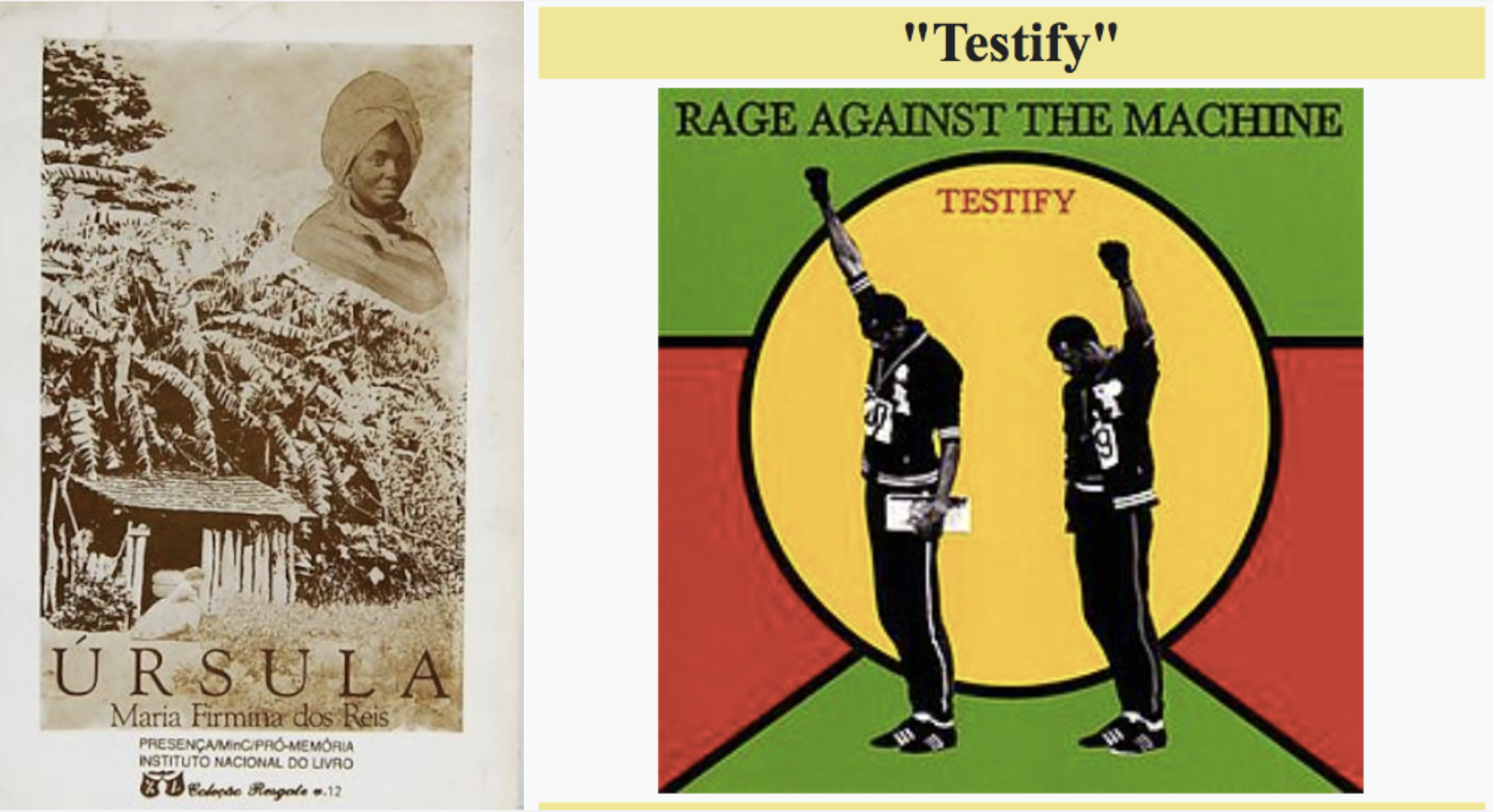
Left: Úrsula: Maria Firmina dos Reis. Instituto Nacional do Livro (1998), eds. Martins and Luiza Lobo. https://aaregistry.org/story/maria-firmina-dos-reis-afro-brazilian-writer-born/. Right: Single by “Rage Against the Machine” from the album The Battle of Los Angeles. 2000; recorded in 1998. Lyricist. Zack de la Rocha. Producers: Rage Against the Machine, Brendan O’Brien.
The phrase Negro Escrito has multiple meanings, right?
Yes, Negro can mean both the person and the color, and escrito can mean both “script” and the participle “written” (scriptus), referring to the Black writer, the escritor negro. Oswaldo Camargo helps me understand that what I do has value as issues of enchantment and poetry.
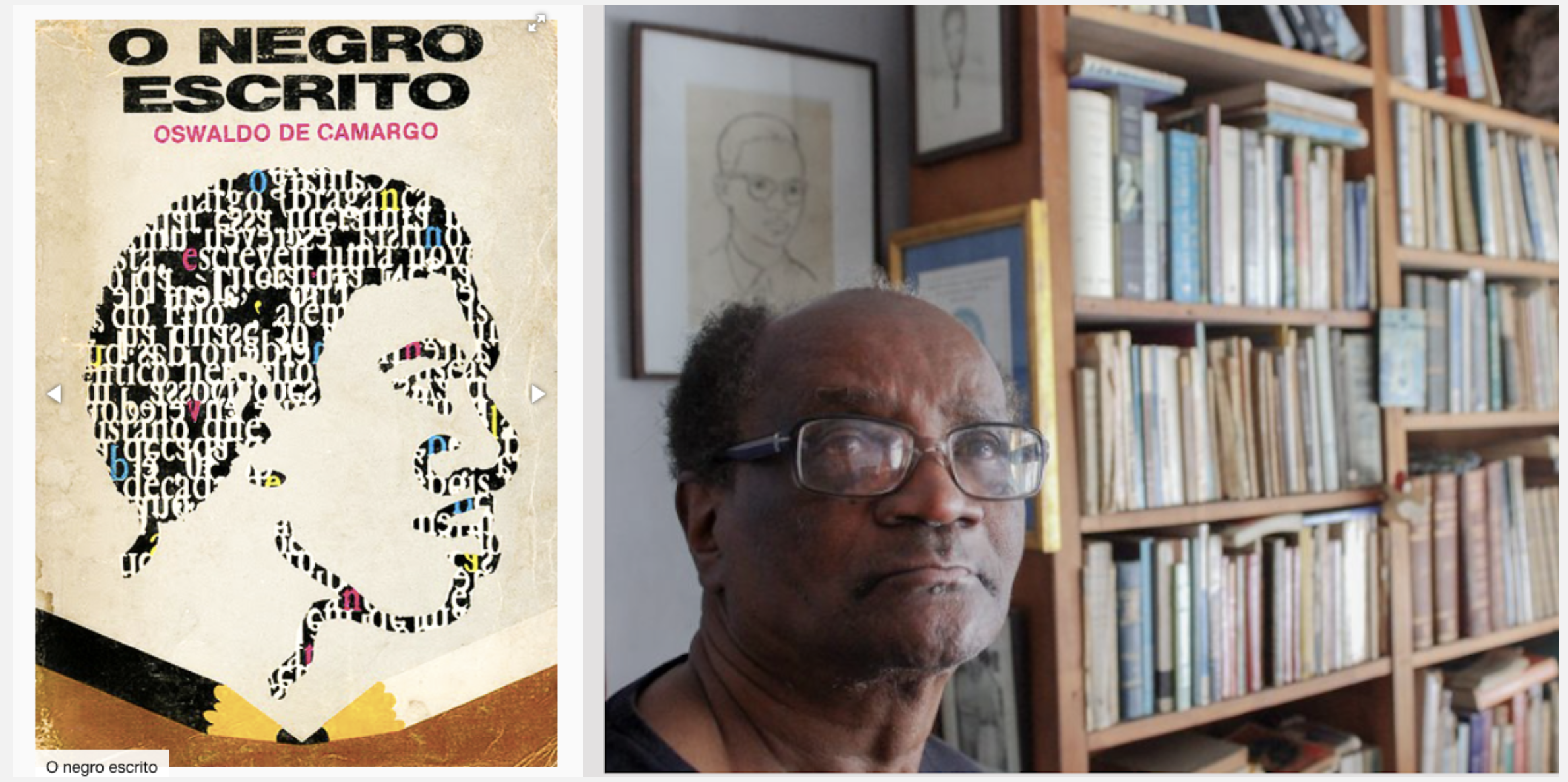
Left: Oswald de Camargo’s O Negro Escrito: Apontamentos sobre a presença do negro na Literatura Brasileira. Secretaria de Estado da Cultura. Imprensa oficial do Estado. 1987. (Image: Ubirajara Motta). Right: Oswaldo de Camargo.